
For years, we’ve talked about the aging of America as if it were a future problem. It isn’t. It’s happening now.
Over the next decade, millions of Baby Boomers will continue to age into their 70s and 80s, creating one of the greatest caregiving shifts our country has ever experienced. At the same time, Generation X—the generation often called America’s “middle child”—is carrying a responsibility unlike any generation before it.

They are raising teenagers, paying college tuition, helping adult children establish their lives, while simultaneously managing doctor appointments, medications, financial decisions, transportation, and long-term care for aging parents.
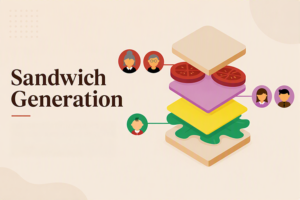
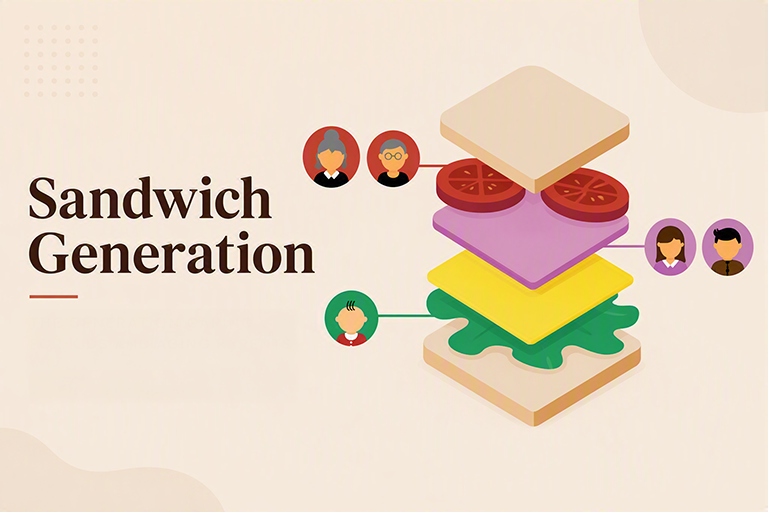
This is the Sandwich Generation.
And the pressure is only growing.
For many, caregiving isn’t something planned on a calendar. It begins with one unexpected phone call.
“Dad fell.”
“Mom was diagnosed with dementia.”
“The hospital says she can’t go home alone.”
Suddenly, an employee who was fully engaged on Friday returns to work on Monday trying to navigate Medicare, Medicaid, Family and Medical Leave, powers of attorney, home care, assisted living options, and financial decisions—all while trying to meet deadlines and perform at work.
The result?
Employees arrive exhausted.
They miss work unexpectedly.
They decline promotions because they simply cannot take on more responsibility.
Some reduce their hours.
Others quietly leave the workforce altogether.
The financial impact is enormous—not only for families but for employers who lose experienced, knowledgeable employees due to caregiver burnout.
Yet many workplaces still treat caregiving as an individual family problem rather than a workforce issue.
The question isn’t whether your employees are caregivers.
The question is: Do they feel supported enough to remain productive while caring for those they love?
Forward-thinking organizations are beginning to recognize caregiving as a business strategy, not just a human resources issue.
They are asking questions such as:
- Do our managers know how to support caregiver employees?
- Are employees aware of their FMLA and leave benefits?
- Do we offer flexible scheduling when possible?
- Can remote work be an option during a family crisis?
- Do we provide Employee Assistance Programs or caregiver resources?
- Have we partnered with local organizations that educate families before a crisis occurs?
These aren’t simply employee benefits.
They are employee retention strategies.
Generation X represents many of today’s supervisors, managers, directors, and executives. Losing this workforce because they cannot balance caregiving responsibilities will cost organizations far more than investing in caregiver-friendly policies today.
The demographic reality is unavoidable.
Every day, approximately 10,000 Americans reach retirement age. Families are living longer, but longer life often comes with chronic illness, dementia, mobility challenges, and increasing care needs. Meanwhile, people are having children later in life, meaning many adults are simultaneously supporting children who still depend on them while caring for aging parents.
This isn’t a temporary trend.
It is America’s new reality.
The organizations that prepare now will attract and retain loyal employees. Those that ignore it may face increased turnover, absenteeism, burnout, and declining productivity.
The conversation can no longer wait until an employee experiences a crisis.
Preparation must begin before the emergency.
That’s why I continue encouraging families to have “the talk” before they’re forced into “the crisis.”
Perhaps it’s also time for employers to have the talk.
Because caregiving isn’t just changing families.
It’s changing the workplace.
And the employers who recognize that today will be the leaders of tomorrow.
Learn more at our upcoming Time for the Talk event, designed exclusively for employers and HR professionals.
Cheri Hudgins
Author of the Time for the Talk workbook series
Administrator, Rose of Sharon’s Senior Villa
Community Advocate for Aging, Caregiving, and Family Preparedness
“Let’s change the trajectory by being proactive instead of reactive.”