
By Robert Morris, Chief of Staff
In fast-paced, high-stakes environments like healthcare, workplace well-being is more than catchy slogans or one-off initiatives. It’s built through everyday decisions like how work is structured, how leaders show up, and what an organization consistently prioritizes. Over time, we’ve learned that small, intentional choices consistently prioritized can compound into big differences in how people experience their work.

We’ve barely turned the page to 2026, and if creating a healthier workplace dynamic is high on your priority list for this year, there is still plenty of time to incorporate some of the recommendations below to ensure your organization’s culture is one in which your team thrives.
Start by treating well-being as core infrastructure.
One lesson that translates across organizations of all stripes is this: Benefits, time off, and access to care shouldn’t be viewed as perks. They are foundational. When people have the support they need to care for themselves physically, mentally, and financially, they are better equipped to do meaningful, demanding work.
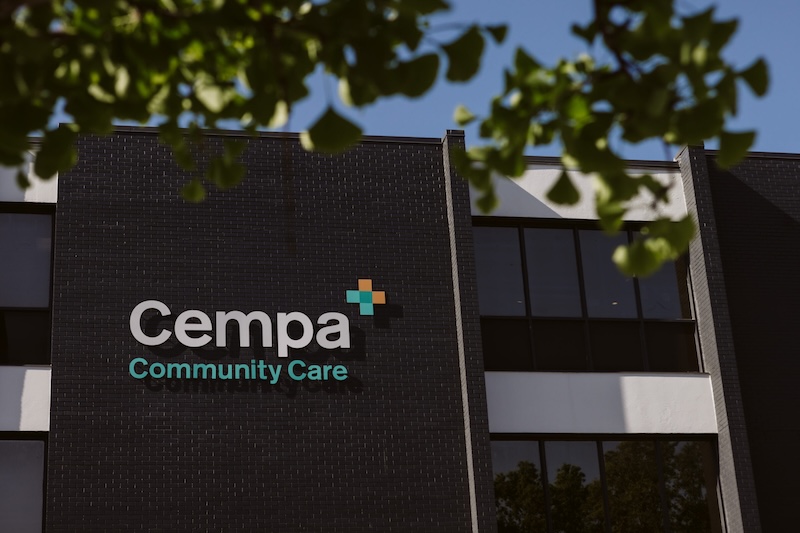
“At Cempa, we intentionally invest in our culture by creating opportunities for connection beyond day-to-day responsibilities,” said Rosonia Burton, Director of Human Resources at Cempa. “From monthly staff birthday lunches to appreciation events held throughout the year, these shared experiences help build relationships across departments, strengthen a sense of belonging, and reinforce that our team members are valued as people, not just employees.”
We also invest in professional development at every stage of a career and consistently connect daily work back to our mission. When people understand how their role contributes to something bigger than themselves, buy-in follows naturally and collaboration becomes genuine rather than forced.
Create psychological safety through supportive, accountable leadership.
Patient-facing work can be deeply rewarding — and emotionally demanding. When team members are regularly supporting patients through illness, loss, and crisis, leaders must recognize the toll that work can take and respond with empathy and intention.
“Psychological safety is built when leaders create clear expectations and provide space for people to process difficult experiences,” said Kevin Webster, Behavioral Health Administrator at Cempa. “That means checking in when teams are navigating grief, encouraging time away when burnout surfaces, and ensuring staff have access to mental health and peer support resources. It also means being present, listening without judgment, and acknowledging that emotional strain is a natural part of care-driven work.”
Leaders are accountable not only for outcomes, but for how work feels on their teams. Culture doesn’t happen by chance. It’s shaped daily through thoughtful leadership that prioritizes clarity, compassion, and care for the people doing the work.
Protect capacity, not just productivity.
Many organizations unintentionally reward constant urgency and overwork, mistaking busyness for productivity. A healthier approach, we’ve found, is to plan ahead so work can be shared and covered when someone needs time away, encourage people to take that time off, and push back against the idea that exhaustion equals commitment.
“When teams know their responsibilities won’t pile up while they’re out, they’re more likely to step away, recharge, and return focused and engaged,” said Brontë Naples, DNP, APRN, FNC-P, Nurse Practitioner at Cempa. “This is especially important in mission-driven roles, where burnout can directly affect people and outcomes.”
Supporting employees and delivering strong outcomes aren’t competing goals. Organizations that design a work world with both in mind are better positioned to sustain their people — the hands and feet of their mission statements — over time. There’s no time like the present to recalibrate your efforts, and I hope 2026 is a year that is great for your business and for your employees.
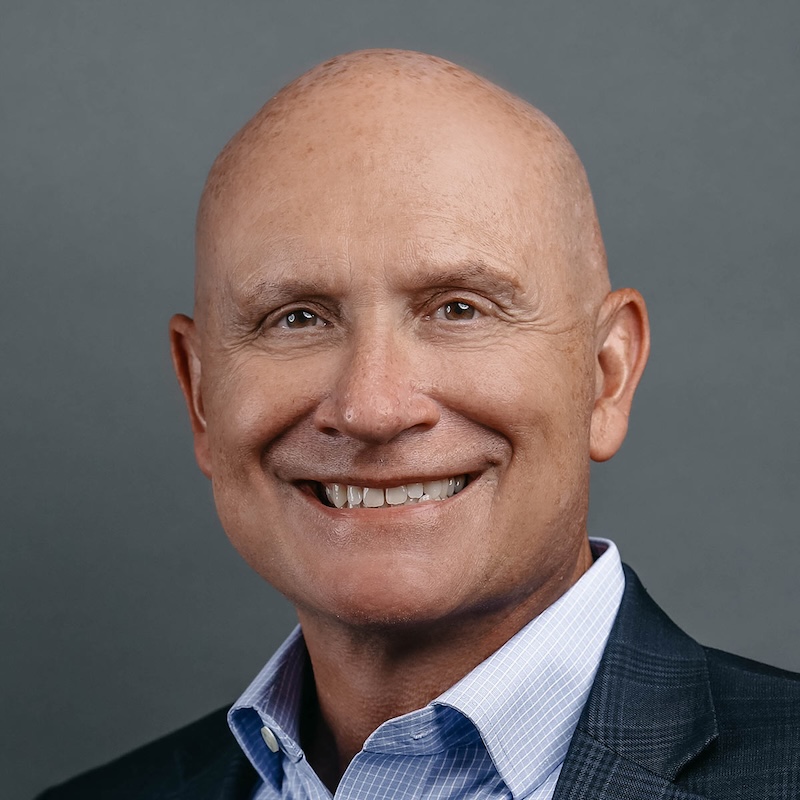
Robert Morris serves as Chief of Staff at Cempa Community Care.