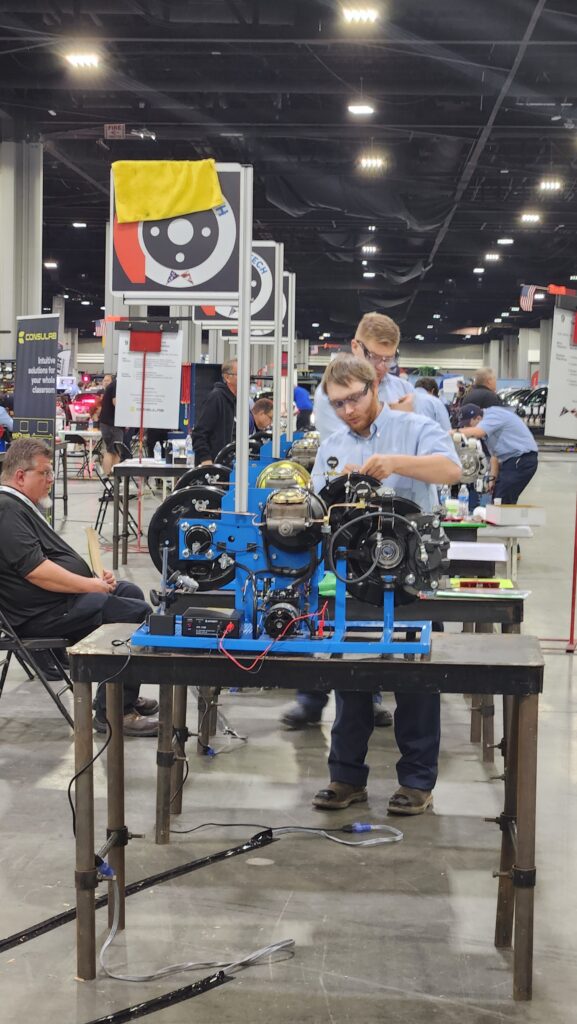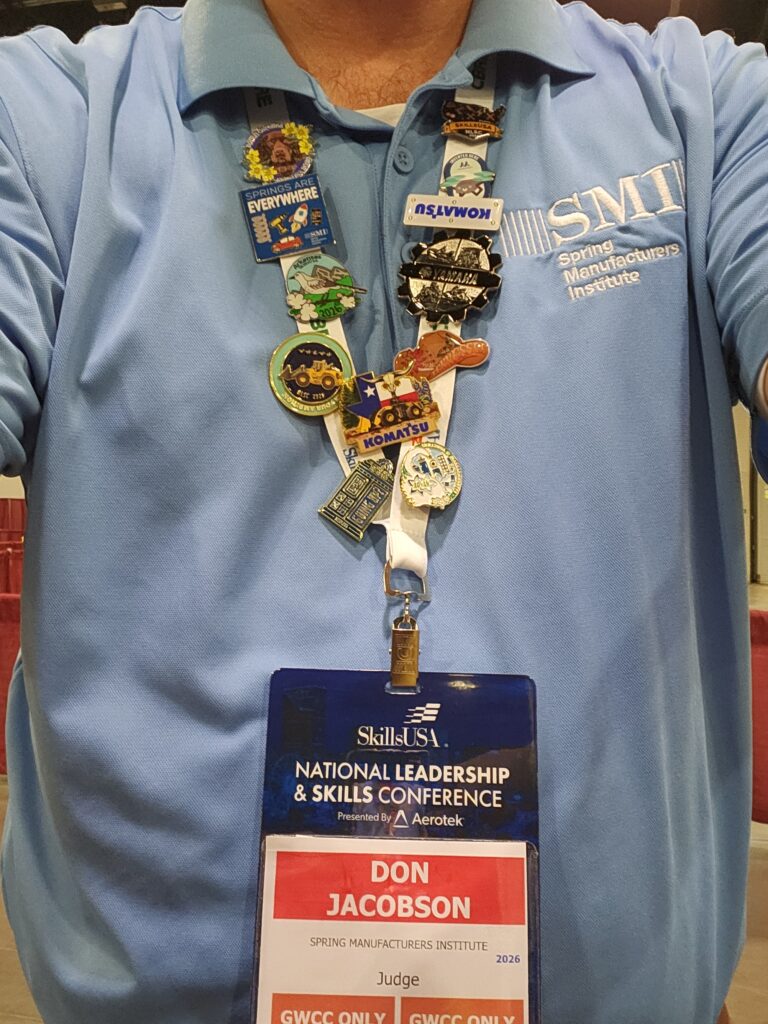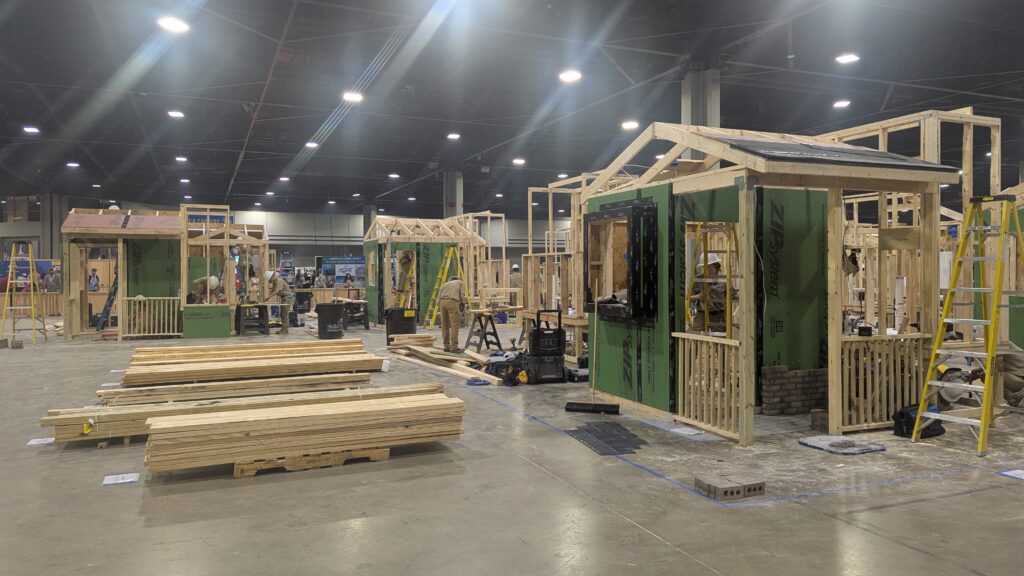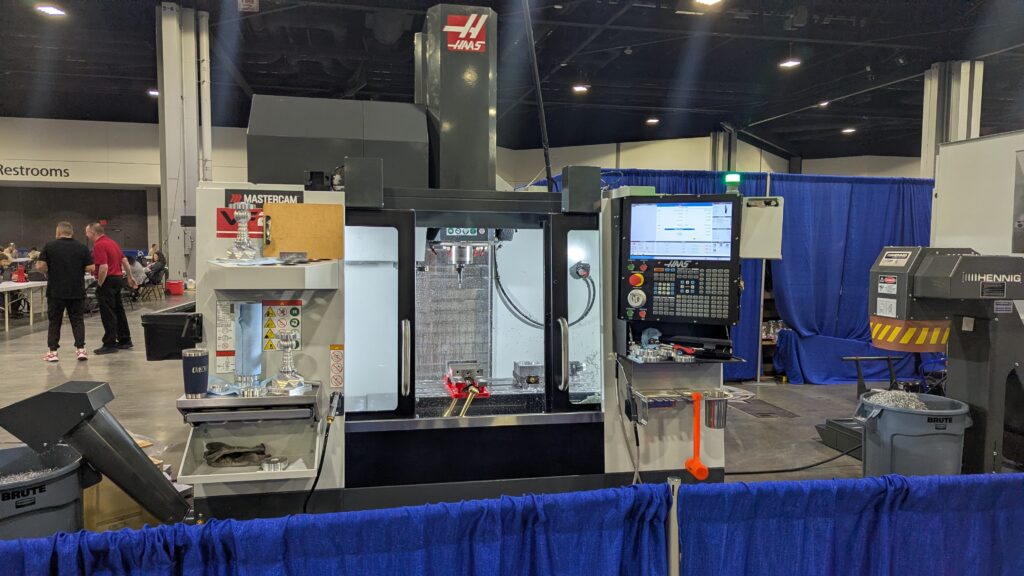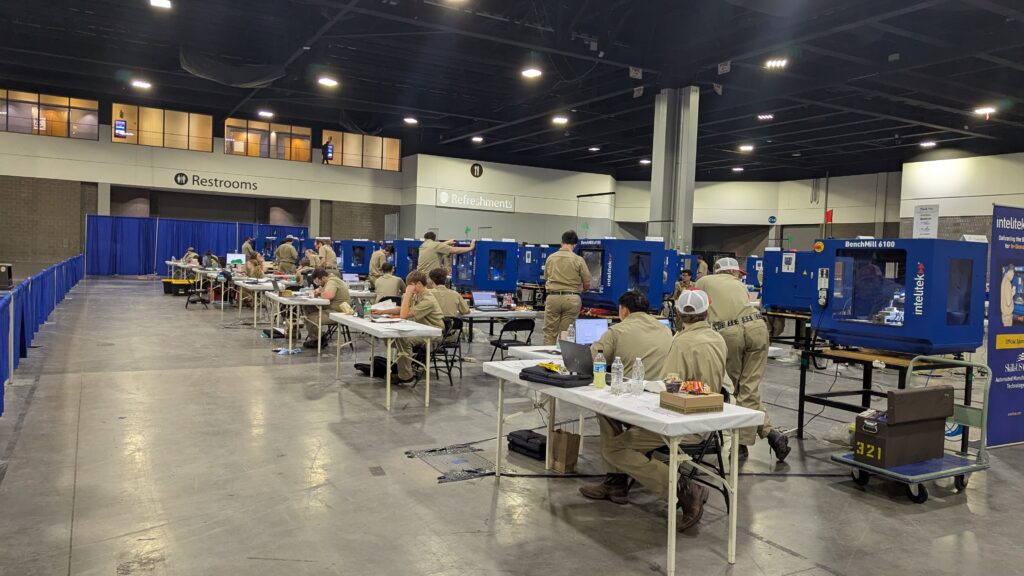

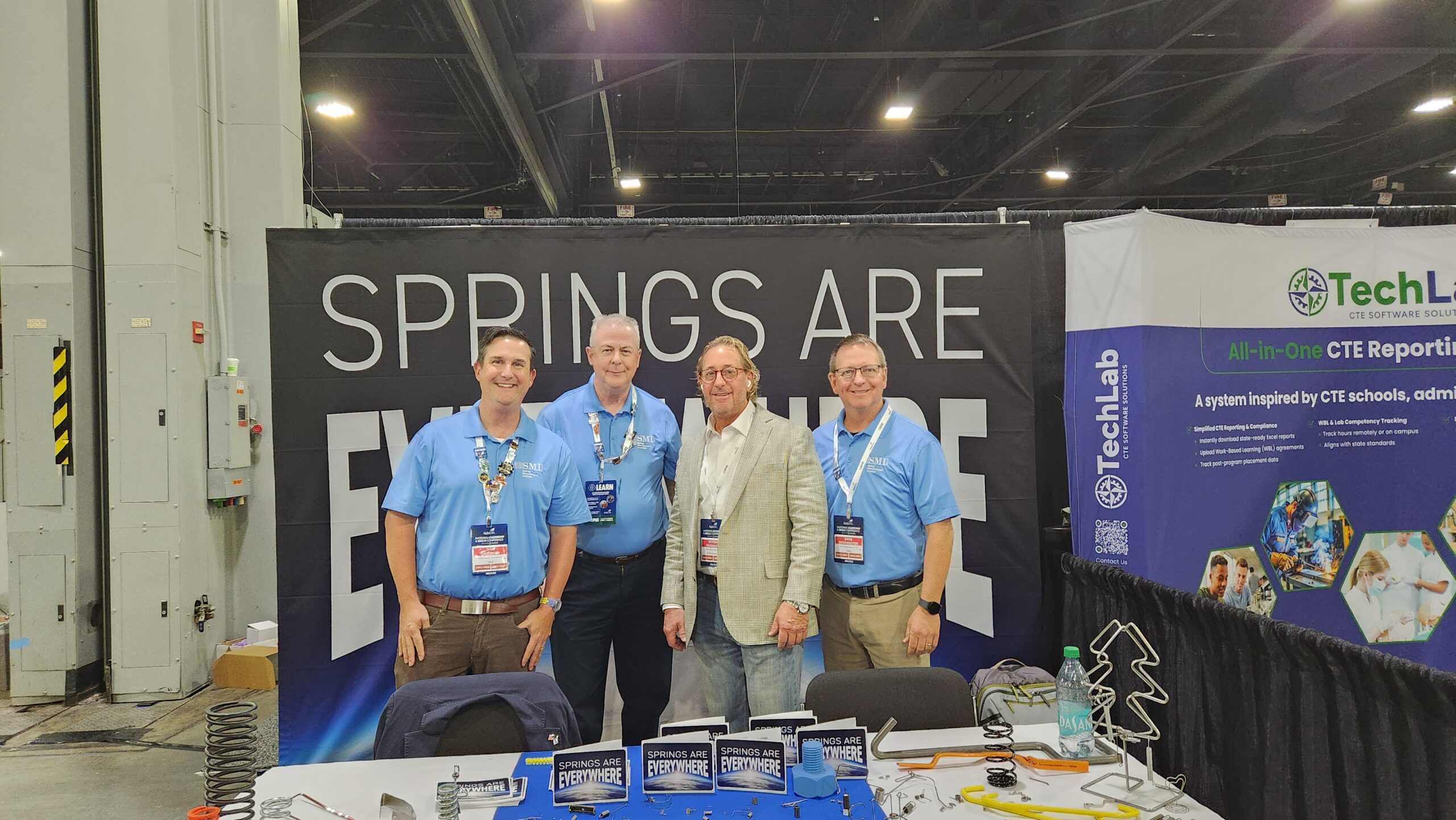
Earlier this June, I had the opportunity to attend the SkillsUSA National Leadership & Skills Conference in Atlanta, Georgia. This was my third year attending SkillsUSA Nationals and my second year serving as a judge, and once again I left inspired by the talent and energy of the students participating.
I was first introduced to SkillsUSA through the Chattanooga Regional Manufacturers Association (CRMA) when they presented during one of their annual meetings at the University of Tennessee at Chattanooga (UTC). At the time, I saw it as an interesting program, but after attending for the first time, I quickly realized just how important SkillsUSA is to workforce development.

Like many people in manufacturing, I’ve often been frustrated by the workforce development conversation. We regularly hear about the shortage of skilled workers and the challenges companies face when trying to fill technical positions. Too often, the discussion focuses on the problem instead of the solution. SkillsUSA represents one of the best solutions I have seen. It is a direct pipeline connecting motivated students with employers and industries that need talent.
This year, I had the privilege of serving as a judge for the Principles of Engineering Technology competition. As a spring maker by trade, I found it particularly amusing that two of the student projects focused on Hooke’s Law. Since the behavior of springs is fundamentally based on Hooke’s Law, it was fun to evaluate projects centered around a principle that has played such an important role throughout my career. It was a great reminder that the engineering concepts we use daily continue to inspire the next generation of innovators.
Beyond judging, one of the most rewarding aspects of the event was seeing thousands of students who are creative, driven, and excited about their future careers. The level of professionalism, technical knowledge, and problem-solving ability on display was impressive. These young men and women are not waiting for opportunities to come to them—they are actively preparing themselves to contribute to the workforce.
What stood out to me most was the number of students looking for career opportunities. I was blown away by their enthusiasm and willingness to engage with employers. They asked thoughtful questions, sought advice, and demonstrated a genuine desire to build meaningful careers in manufacturing, engineering, and the skilled trades.
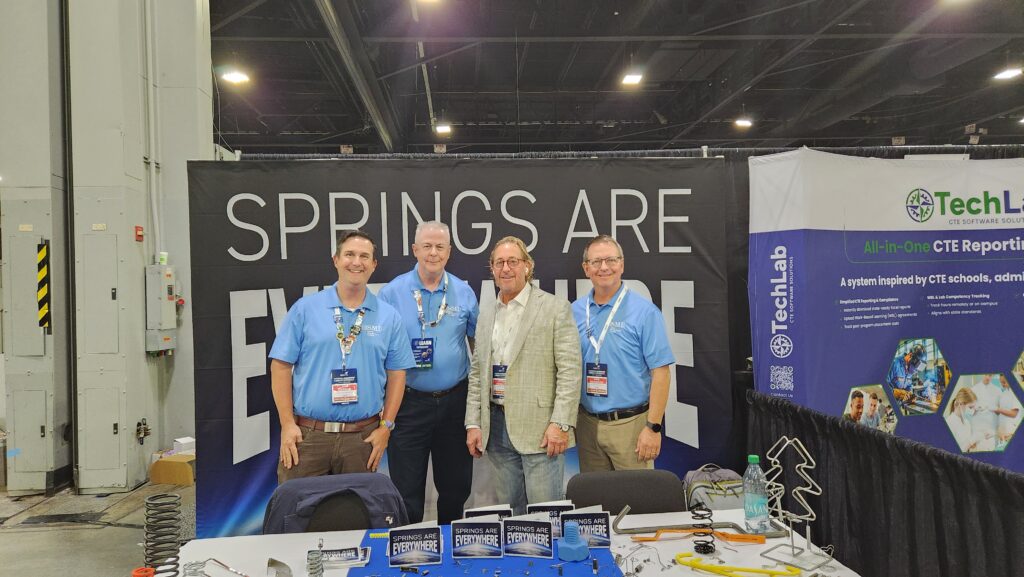
As the Past President of the Spring Manufacturers Institute (SMI), I was especially proud that SMI had its first-ever presence at the event with a booth dedicated to engaging students interested in entering the workforce. It was exciting to introduce students to an industry they may never have considered and to explain the many opportunities available within spring manufacturing. Our industry often operates behind the scenes, yet springs are critical components found in countless products and applications. The opportunity to connect directly with students and share what our industry has to offer was invaluable.
Experiences like SkillsUSA reinforce my belief that the future of manufacturing is bright. Rather than worrying about where the next generation of skilled workers will come from, events like this allow us to meet them face-to-face. The talent is there. The interest is there. The drive is there. Organizations like SkillsUSA simply provide the bridge between education and industry.
After three years of attending and two years of judging, I am more convinced than ever that SkillsUSA is one of the strongest workforce development pipelines in the country. I am grateful for the opportunity to support these students, represent the spring manufacturing industry, and witness firsthand the incredible potential of our future workforce.
My biggest takeaway: If we want to strengthen manufacturing and skilled trades, we need to continue investing in programs like SkillsUSA. The next generation is ready—we simply need to help open the door